
22 Sep The Science & Spirit of Connection
At Wonderhill Farm, we watch small miracles happen every week. A child who rarely speaks whispers a secret into a horse’s ear. A teenager overwhelmed by the noise of the world finds complete calm in a grooming stall. Let’s take a closer look at the remarkable connection between horses and autistic individuals—a bond that is both scientifically fascinating and deeply spiritual.
We believe that God created autistic individuals with a unique, divine purpose. In His perfect design, He has also provided horses as an incredible, earthly bridge to help them unlock that purpose, communicate, and thrive.
Here is a look at the beautiful science and spirit behind why this bond is so profound:
1. Neurological Alignment: Thinking in Pictures
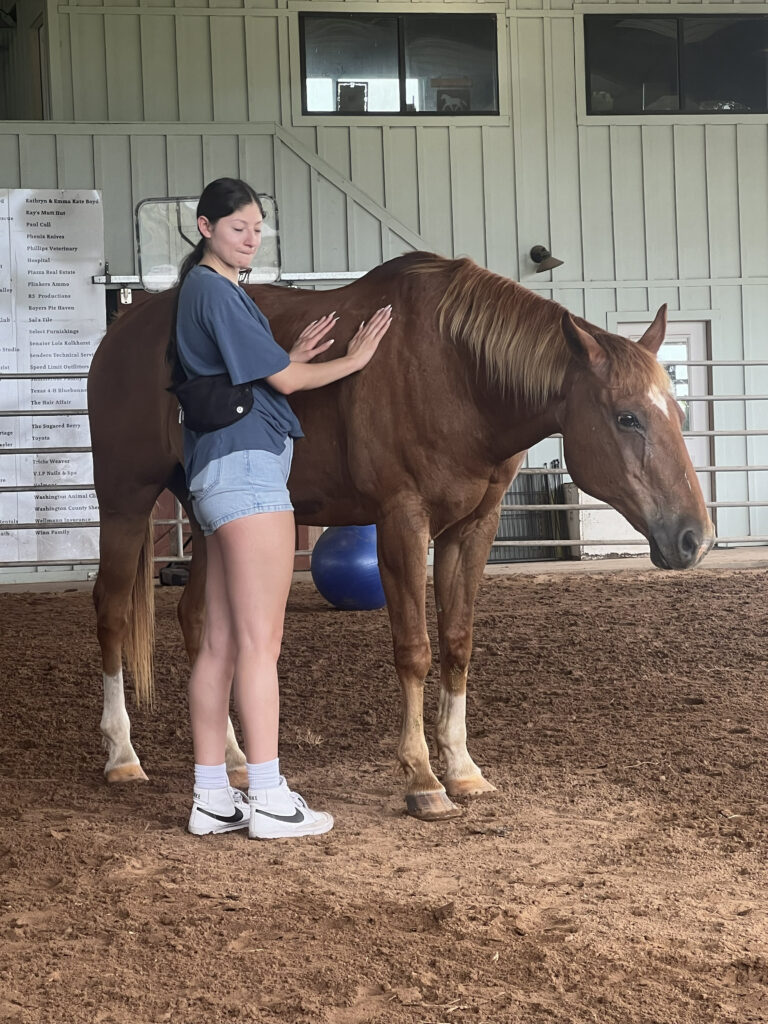
Renowned animal scientist Dr. Temple Grandin famously discovered that the equine brain and the autistic brain process the world in remarkably similar ways. Because horses are prey animals, they do not think in abstract concepts or language—they think in highly specific, literal pictures. Many autistic individuals process their surroundings exactly the same way. This shared cognitive style allows horses and autistic riders to understand one another with zero translation required.
2. Sensory Harmony and Co-Regulation
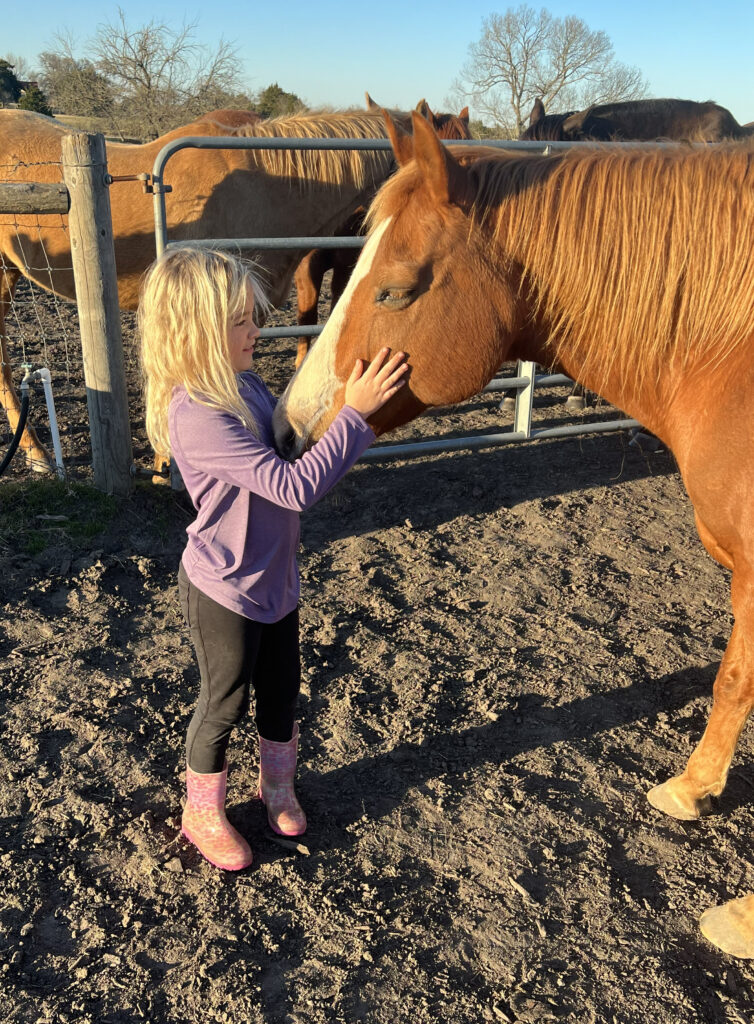
Autism often comes with sensory hypersensitivity, where everyday sights and sounds can cause overwhelming anxiety. Horses share this hyper-aware nervous system. When an autistic individual interacts with a horse, a powerful physiological shift occurs:
- Co-Regulation: Horses mirror the energy around them. To bond with a horse, a rider learns to slow their breathing and lower their heart rate. The horse responds by relaxing, creating a positive feedback loop that teaches emotional regulation.
- The Cadence of the Stride: The rhythmic, three-dimensional movement of a walking horse mimics the exact cadence of a human pelvis while walking. This unique physical motion stimulates the rider’s brain, improving balance and spatial awareness while simultaneously soothing the nervous system.
3. Communication Beyond Words
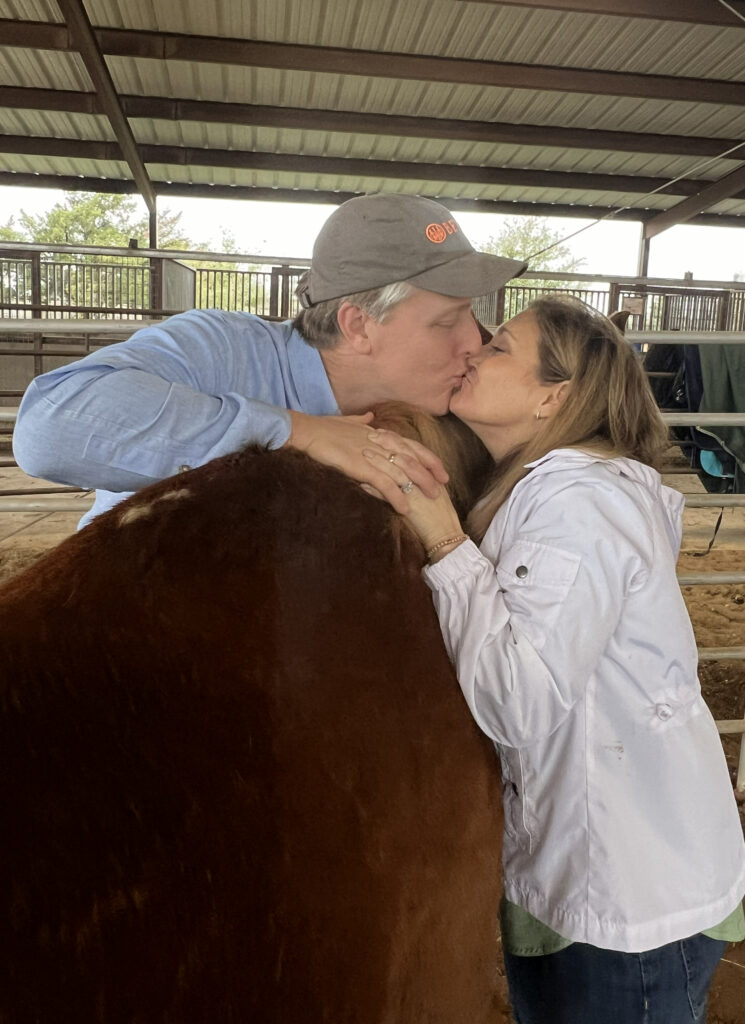
Socializing with neurotypical humans can sometimes feel exhausting due to complex social cues. Horses offer a judgment-free zone. They communicate entirely through body language, muscle tension, and shared energy. In the arena, the pressure of spoken conversation vanishes. Autistic individuals can practice boundary-setting, assertiveness, and emotional expression in a safe, authentic environment where a horse never judges or hides its intentions.
Ultimately, the connection between horses and autistic individuals is more than a therapeutic relationship—it can be a pathway to connection, confidence, and healing. When science reveals the remarkable ways horses and autistic individuals communicate and regulate together, we can also see the beauty of God’s design.
Sorry, the comment form is closed at this time.